


Are Pickleball Courts and Badminton Courts the Same?
Pickleball Courts vs. Badminton Courts: Similarities and Key Differences
In the world of sports venues, pickleball courts and badminton courts are often put side by side for comparison. What do they have in common, and what sets them apart? This topic is not only intriguing for sports lovers but also valuable for anyone seeking a deeper understanding of these two popular sports.
At first glance, pickleball courts and badminton courts share many similarities. Both offer moderately sized playing spaces that allow players to move freely, compete intensely, and enjoy the dynamic nature of each sport. This similarity also benefits players transitioning from badminton to pickleball—many can quickly adapt to the new environment by drawing on familiar concepts such as judging ball landing areas, adjusting footwork, and maintaining optimal player-to-opponent distance. These shared characteristics lower the learning curve and make the transition smoother.
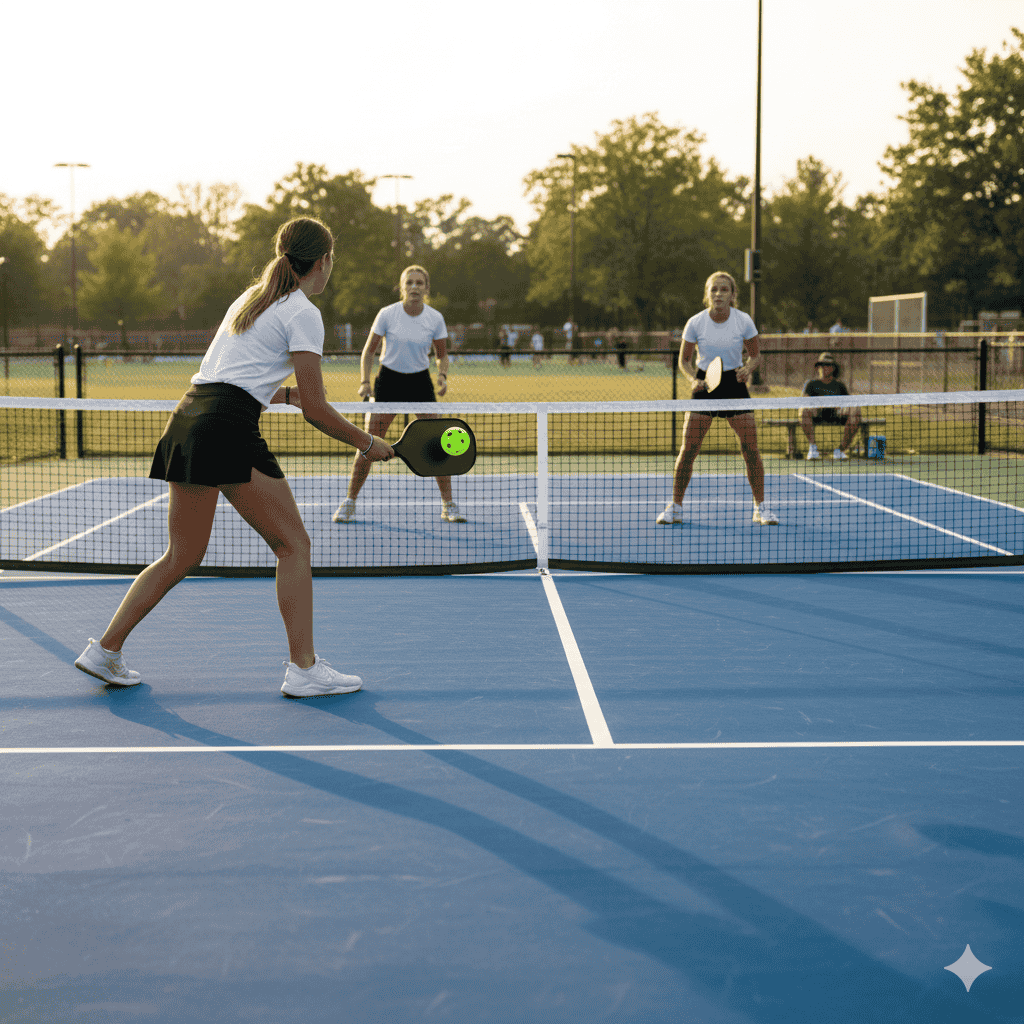
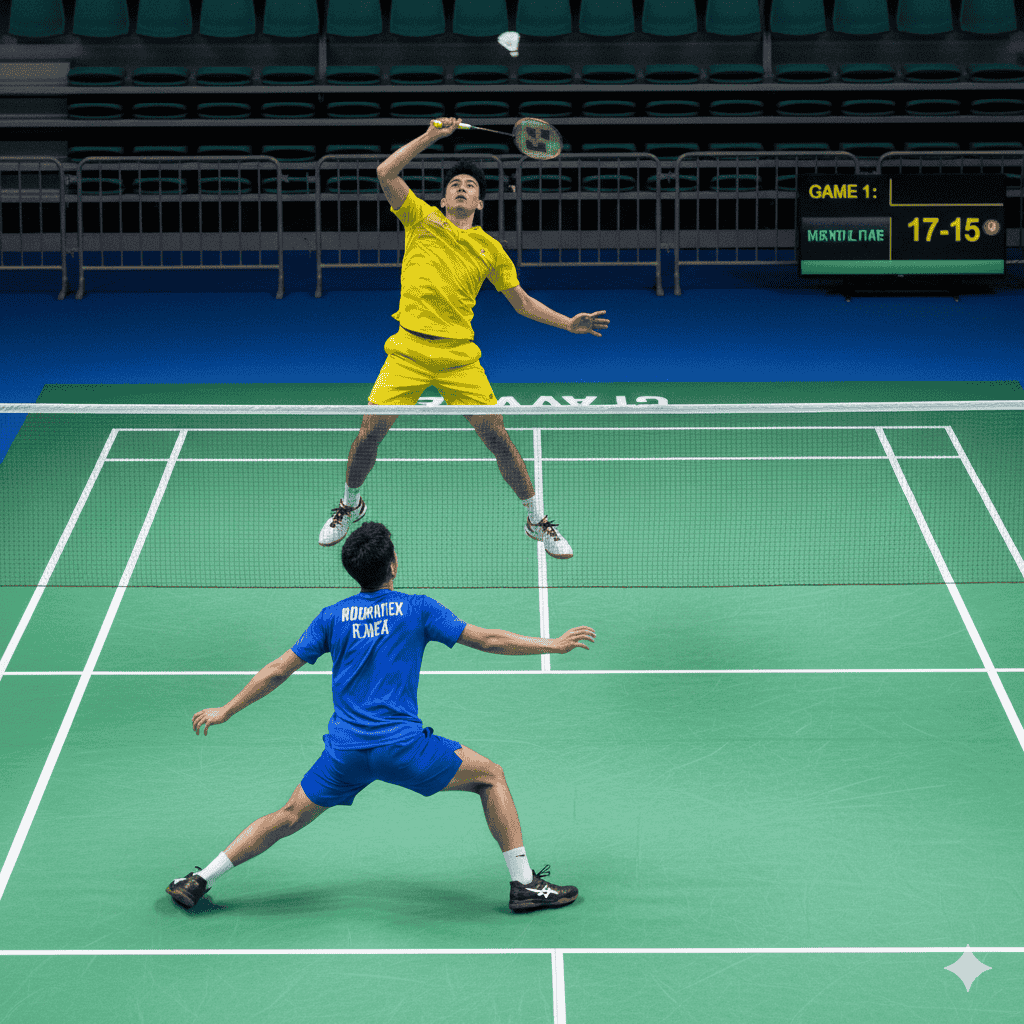
However, a closer look reveals several important differences. The most obvious lies in net height. A badminton net is significantly higher, requiring stronger explosive power and precise jumping technique to send the shuttlecock over with control. In contrast, a pickleball net is slightly lower, reducing shot difficulty and making the sport more accessible—especially for older adults or beginners. The lower net height allows players with less strength or limited jumping ability to still perform well, increasing their confidence and enjoyment.
Another key difference is found in court markings. Badminton courts use clearly defined lines for singles and doubles play, strictly outlining valid areas that players must follow. Pickleball courts also differentiate between singles and doubles, but the markings—along with their placement and purpose—are distinct from those used in badminton. These variations reflect different tactical demands: pickleball markings are designed to support close-range exchanges and rapid volleys, whereas badminton lines encourage full-court movement, fast-paced rallies, and diverse shot angles.
Additionally, the playing surface requirements differ due to the contrasting nature of the ball and shuttlecock. The pickleball is larger and softer, with unique bounce characteristics. As a result, professional pickleball courts often incorporate specific cushioning and elasticity to ensure predictable ball behavior. Badminton courts, on the other hand, prioritize surface stability and grip to support quick directional changes, high-speed footwork, and explosive lunges.
These distinctions shape two very different athletic experiences. On a badminton court, players frequently leap for powerful smashes and sprint across the court in fast, electrifying rallies. On a pickleball court, success depends more on quick footwork, delicate control, and strategic teamwork. The pace is slightly more relaxed, yet still filled with competitive intensity and tactical depth.
In conclusion, while pickleball and badminton courts do share certain similarities, each possesses its own unique characteristics that reflect the essence of the sport it supports. These similarities make it easy for players to transition between the two, while the differences give each sport its own identity and charm. Whether you're an experienced badminton player or a newcomer drawn to the growing excitement around pickleball, understanding these similarities and differences will enhance your appreciation, elevate your performance, and allow you to enjoy both sports to the fullest.
BHI Pickleball-Custom Pickleball Paddle


